Cikista

Cholecystectomy

Cholecystectomy is a surgical treatment that attempts to remove the gallbladder. This organ is not vital to life, and the body can function without the gallbladder, storing bile in the liver instead. The most typical cause of cholecystectomy is gallstones, which are hard masses in the gallbladder due to an imbalance in bile composition. Gallstones may cause several symptoms and complications, including biliary colic, acute cholecystitis, pancreatitis, or blockage of the bile ducts. Types of Cholecystectomy There are two primary methods for performing a cholecystectomy: Laparoscopic Cholecystectomy: Also referred to as minimally invasive surgery or “keyhole surgery,” it is the most common one used. It entails inserting several minor cuts in the stomach and the utilization of a laparoscopic tool (a thinner tube that possesses a camera and medical tools) to eliminate the gallbladder. Laparoscopic cholecystectomy is generally less painful after surgery, takes less time in a hospital, and has a faster recovery rate than a traditional surgery. Open Cholecystectomy: In cases where laparoscopic cholecystectomy is not feasible or safe, an open cholecystectomy is performed. To reach and remove the gallbladder directly, a wider abdominal incision must be made. Open cholecystectomy may be necessary if there are complications, extensive scarring from previous surgeries, or other factors that make laparoscopic surgery challenging. Indications for Cholecystectomy Cholecystectomy should be carried out in a situation where the stones of the gallbladder or diseases of it cause any severe symptoms or issues. Typical conditions that require a cholecystectomy are: Gallstones: When gallstones cause pain (biliary colic) or lead to complications such as acute cholecystitis, choledocholithiasis (stones in the bile duct), or pancreatitis, surgery may be necessary. Gallbladder Polyps: Large gallbladder polyps or those with suspicious characteristics may require removal to rule out the risk of malignancy. Chronic Gallbladder Disease: Cholecystectomy may be considered when the gallbladder is malfunctioning or causing chronic symptoms. Porcelain Gallbladder: A condition in which the gallbladder wall becomes calcified and is associated with an increased risk of gallbladder cancer. The Cholecystectomy Procedure The cholecystectomy procedure typically follows these steps: Preparation: Before surgery, patients may be asked to fast for several hours to ensure an empty stomach. Anaesthesia is administered to induce unconsciousness and prevent pain during the procedure. Incisions: In laparoscopic cholecystectomy, the abdominal area is opened in about four small incisions to accommodate the laparoscope and equipment used to perform the surgery. In an open cholecystectomy, a larger incision is made. Gallbladder Exposure: The surgeon identifies and exposes the gallbladder and surrounding structures. Gallbladder Removal: Using laparoscopic instruments or through the larger incision in open surgery, the surgeon carefully detaches and removes the gallbladder from its attachments to the liver and bile duct. Closure: If laparoscopic, the small incisions are closed with sutures or surgical tape. In open cholecystectomy, the larger incision is sutured or stapled. Recovery: Patients are monitored in the recovery room and may stay in the hospital for observation, depending on the type of surgery and individual circumstances. Recovery After Cholecystectomy Recovery following cholecystectomy varies depending on the surgical approach and the patient’s overall health. Generally, recovery milestones include: Hospital Stay: Compared to open cholecystectomy, which typically requires a 3–5-day hospital stay, laparoscopic cholecystectomy requires a 1–2-day hospital stay. Pain management: Painkillers can help patients who are uncomfortable following surgery. Diet: As tolerated, a regular diet is gradually introduced after an initial clear liquid diet. Some people may initially experience changes in their bowel habits or diarrhoea. Physical Activity: As they recover, patients are advised to increase their physical activity level gradually. Return to Normal Activities: While recovery after an open cholecystectomy may take longer, most patients can return to their normal activities and jobs within a week to ten days following a laparoscopic procedure. Dietary Modifications: Some patients may need to make dietary adjustments, such as reducing fatty or greasy foods, as they may experience a decreased tolerance for high-fat meals. Know Your Treatment Cost Get a cost estimate based on your condition and hospital preferences. Send Enquiry Get Cost Estimate Potential Complications Although cholecystectomy is usually regarded as safe, there are some possible risks and problems, just like with any surgical treatment. These could consist of:  Infection: While uncommon, infections at the locations of the incisions or inside the abdominal cavity are possible. Bile Duct Injury: In rare cases, the common bile duct may be damaged during surgery, requiring additional procedures to repair. Bleeding: If there is significant bleeding during or after surgery, additional surgical procedures or blood transfusions may be necessary. Gallbladder Remnant: Any remaining tissue may form gallstones or continue to cause pain if the gallbladder is not removed entirely. Digestive Changes: Some people may experience changes in their digestion, such as diarrhoea or an increase in the frequency of their bowel movements, after consuming fatty meals. These symptoms typically improve over time.  Outlook Cholecystectomy is a standard surgical procedure that is effective for gallbladder-related problems, primarily those brought on by gallstones. Even though gallbladder removal surgery is usually safe, there are some risks, changes to the digestive system, and potential complications after the procedure. Patients should talk to their healthcare provider about the cholecystectomy’s advantages and disadvantages. They should also work together to determine the best way to deal with gallbladder problems. 

j

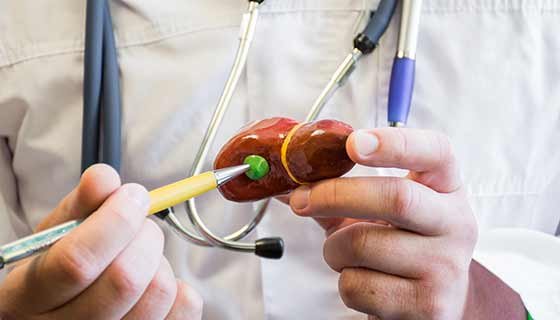
Cholecystectomy is a surgical treatment that attempts to remove the gallbladder. This organ is not vital to life, and the body can function without the gallbladder, storing bile in the liver instead. The most typical cause of cholecystectomy is gallstones, which are hard masses in the gallbladder due to an imbalance in bile composition. Gallstones may cause several symptoms and complications, including biliary colic, acute cholecystitis, pancreatitis, or blockage of the bile ducts.

Types of Cholecystectomy

There are two primary methods for performing a cholecystectomy:

  • Laparoscopic Cholecystectomy: Also referred to as minimally invasive surgery or “keyhole surgery,” it is the most common one used. It entails inserting several minor cuts in the stomach and the utilization of a laparoscopic tool (a thinner tube that possesses a camera and medical tools) to eliminate the gallbladder. Laparoscopic cholecystectomy is generally less painful after surgery, takes less time in a hospital, and has a faster recovery rate than a traditional surgery.
  • Open Cholecystectomy: In cases where laparoscopic cholecystectomy is not feasible or safe, an open cholecystectomy is performed. To reach and remove the gallbladder directly, a wider abdominal incision must be made. Open cholecystectomy may be necessary if there are complications, extensive scarring from previous surgeries, or other factors that make laparoscopic surgery challenging.

Indications for Cholecystectomy

Cholecystectomy should be carried out in a situation where the stones of the gallbladder or diseases of it cause any severe symptoms or issues. Typical conditions that require a cholecystectomy are:

  • Gallstones: When gallstones cause pain (biliary colic) or lead to complications such as acute cholecystitis, choledocholithiasis (stones in the bile duct), or pancreatitis, surgery may be necessary.
  • Gallbladder Polyps: Large gallbladder polyps or those with suspicious characteristics may require removal to rule out the risk of malignancy.
  • Chronic Gallbladder Disease: Cholecystectomy may be considered when the gallbladder is malfunctioning or causing chronic symptoms.
  • Porcelain Gallbladder: A condition in which the gallbladder wall becomes calcified and is associated with an increased risk of gallbladder cancer.

The Cholecystectomy Procedure

The cholecystectomy procedure typically follows these steps:

  • Preparation: Before surgery, patients may be asked to fast for several hours to ensure an empty stomach. Anaesthesia is administered to induce unconsciousness and prevent pain during the procedure.
  • Incisions: In laparoscopic cholecystectomy, the abdominal area is opened in about four small incisions to accommodate the laparoscope and equipment used to perform the surgery. In an open cholecystectomy, a larger incision is made.
  • Gallbladder Exposure: The surgeon identifies and exposes the gallbladder and surrounding structures.
  • Gallbladder Removal: Using laparoscopic instruments or through the larger incision in open surgery, the surgeon carefully detaches and removes the gallbladder from its attachments to the liver and bile duct.
  • Closure: If laparoscopic, the small incisions are closed with sutures or surgical tape. In open cholecystectomy, the larger incision is sutured or stapled.
  • Recovery: Patients are monitored in the recovery room and may stay in the hospital for observation, depending on the type of surgery and individual circumstances.

Recovery After Cholecystectomy

Recovery following cholecystectomy varies depending on the surgical approach and the patient’s overall health. Generally, recovery milestones include:

  • Hospital Stay: Compared to open cholecystectomy, which typically requires a 3–5-day hospital stay, laparoscopic cholecystectomy requires a 1–2-day hospital stay.
  • Pain management: Painkillers can help patients who are uncomfortable following surgery.
  • Diet: As tolerated, a regular diet is gradually introduced after an initial clear liquid diet. Some people may initially experience changes in their bowel habits or diarrhoea.
  • Physical Activity: As they recover, patients are advised to increase their physical activity level gradually.
  • Return to Normal Activities: While recovery after an open cholecystectomy may take longer, most patients can return to their normal activities and jobs within a week to ten days following a laparoscopic procedure.
  • Dietary Modifications: Some patients may need to make dietary adjustments, such as reducing fatty or greasy foods, as they may experience a decreased tolerance for high-fat meals.

Know Your Treatment Cost

Get a cost estimate based on your condition and hospital preferences.

Send Enquiry Get Cost Estimate

Potential Complications

Although cholecystectomy is usually regarded as safe, there are some possible risks and problems, just like with any surgical treatment. These could consist of: 

  • Infection: While uncommon, infections at the locations of the incisions or inside the abdominal cavity are possible.
  • Bile Duct Injury: In rare cases, the common bile duct may be damaged during surgery, requiring additional procedures to repair.
  • Bleeding: If there is significant bleeding during or after surgery, additional surgical procedures or blood transfusions may be necessary.
  • Gallbladder Remnant: Any remaining tissue may form gallstones or continue to cause pain if the gallbladder is not removed entirely.
  • Digestive Changes: Some people may experience changes in their digestion, such as diarrhoea or an increase in the frequency of their bowel movements, after consuming fatty meals. These symptoms typically improve over time. 

Outlook

Cholecystectomy is a standard surgical procedure that is effective for gallbladder-related problems, primarily those brought on by gallstones. Even though gallbladder removal surgery is usually safe, there are some risks, changes to the digestive system, and potential complications after the procedure. Patients should talk to their healthcare provider about the cholecystectomy’s advantages and disadvantages. They should also work together to determine the best way to deal with gallbladder problems. 

we are here for your healthcare

Free consultation with our medical experts