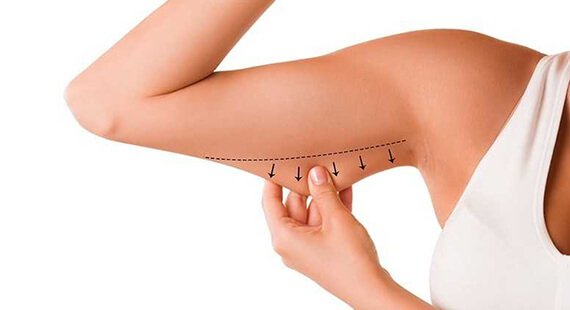
A surgical technique called an arm lift, or brachioplasty, removes extra skin and fat from the upper arms to tighten and contour them. Commonly sought after by individuals experiencing sagging or loose skin due to ageing, weight loss, or genetics, arm lift surgery can restore a more toned and youthful appearance to the arms. The procedure involves making incisions along the arms’ inner or back, removing excess tissue, and skin tightening. Arm lift surgery can enhance aesthetic appearance and self-confidence, providing long-lasting results for those seeking improved arm contours.
Why Do You Need an Arm Lift?
Arm lift surgery, also known as brachioplasty, is sought after for various reasons:
- Excess Skin: Significant weight loss, ageing, or genetics can lead to excess skin on the upper arms, causing sagging or drooping. Arm lift surgery removes this excess skin, resulting in a firmer and more toned appearance.
- Improved Contour: Loose skin and excess fat on the upper arms can create a disproportionate or unflattering silhouette. Arm lift surgery reshapes the arms, providing a smoother and more aesthetically pleasing contour.
- Enhanced Confidence: Many people feel awkward looking at their arm shape when wearing something without sleeves. Arm lift surgery can boost self-confidence and body image by correcting the problems of arm sagging or excessive skin.
- Functional Benefits: Arm lift surgery can offer functional benefits besides cosmetic improvements. Removing excess skin can alleviate Discomfort or irritation caused by skin folds and improve the range of motion in the arms.
- Post-Weight Loss: To correct the problem of excess skin before and after weight loss, individuals who have lost a considerable amount of weight due to diet and exercise or weight loss surgery often undergo arm lift surgery.
Considering everything, arm lift surgery may not only feature beneficial functional and aesthetic effects on a person electing the procedure, but also contribute to self-esteem and improved quality of life.
Types of Arm Lift
Brachioplasty, sometimes known as arm lift surgery, includes several methods designed to treat specific issues and produce desired results:
- Traditional Brachioplasty involves an incision along the inside of the arm, generally between the elbow and the armpit. Cosmetic enhancement is particularly done by removing extra skin and fat in the arm, and the remaining tissue is then tightened and shaped.
- Limited-Incision Brachioplasty: Also known as mini brachioplasty, this technique involves smaller incisions, usually confined to the armpit or upper arm. It suits individuals with less severe skin laxity and localized excess tissue.
- Extended Brachioplasty: An extended brachioplasty may be performed in cases of significant excess skin. This technique involves longer incisions that extend onto the chest or back, allowing for more extensive tissue removal and contouring.
- Liposuction-Assisted Brachioplasty: Liposuction may be combined with traditional brachioplasty to remove excess fat and improve arm contour. This approach is suitable for individuals with excess fat but minimal skin laxity.
- Minimal-Incision or Scarless Brachioplasty: This cutting-edge method tightens skin and enhances the contour without leaving noticeable scars using cutting-edge technologies like laser or radiofrequency energy. People with mild to moderate skin laxity can use it.
All the types of arm lift procedures have their own advantages and risks, and each patient should adhere to the kind recommended by surgeons based on a precise analysis of personal anatomy and desired outcomes. A qualified plastic surgeon should be consulted to advise on the most appropriate method that should be used to bring about the desired results.
Know Your Treatment Cost
Get a cost estimate based on your condition and hospital preferences.
Send Enquiry Get Cost Estimate
Factors Affecting the Cost of an Arm Lift
Several factors influence the cost of arm lift surgery, including:
- Experience of Surgeon: The knowledge and competency of the plastic surgeon carrying out the procedure might add to the cost. Higher fees may be charged by surgeons who have high-value acumen and reputation.
- Surgical Facility: Cost can be influenced by the type of facility where the surgery is done: hospital, surgical centre, or a private clinic. You will pay higher fees at facilities with modern amenities and accreditation.
- Type of Arm Lift: The specific technique used for the arm lift, such as traditional brachioplasty, limited-incision Brachioplasty, or liposuction-assisted brachioplasty, can influence the cost based on the complexity of the procedure.
- Anaesthesia Fees: Anaesthesia services are necessary for arm lift surgery and are typically billed separately. The type of anaesthesia used and the duration of the surgery can impact anaesthesia fees.
- Geographic Location: The cost of arm lift surgery can vary depending on the region or city where the procedure is performed. Urban areas or regions with higher living costs may have higher prices for surgical services.
Overall, patients should discuss all potential costs with their surgeon during the consultation process and ensure they understand the full scope of expenses involved in the procedure.
How are patients selected for the Arm Lift?
Patients undergoing arm lift surgery, or brachioplasty, are carefully selected based on several factors to ensure safe and satisfactory outcomes:
- Physical Exam: A thorough physical exam would be undertaken to decide upon the amount of excess skin/fat, the elasticity of the skin, and the overall pattern of the arms. This evaluation can determine the optimal surgical approach and whether surgery on the arms is reasonable.
- Goals and Expectations of Patients: The motivations of the patients who seek an arm lift surgery and what the patients hope to achieve are discussed by surgeons. Patients must also have a realistic attitude and preferably an idea of what surgery can and cannot do.
- Medical History: The patient shares details concerning their previous health history regarding allergies, prescription medications, surgeries, and preliminary medical problems. This information will ensure safe surgical planning and help detect the potential risk factors.
- Skin Quality: Skin quality is inevitable when selecting patients for arm lift surgery. The procedure is better suited to a patient with good skin elasticity who has a higher chance of attaining good results with minimal scarring.
- Weight Stability: Before the patients undergo arm lift surgery, they should stabilize their weight by settling on a stable weight. Extreme weight gain and loss can also impact how the surgery will be and even require future surgical interventions.
- Psychological Assessment: There are instances where patients are given a psychological assessment to know their mental status and how ready they are psychologically to go through surgery. This assessment will enable patients to hold realistic expectations and psychologically prepare them to go through the procedure.
Patient suitability for arm lift surgery is comprehensively assessed to consider the patient’s physical, psychological, and medical objectives and guarantee optimal outcomes. The surgeon and patient must communicate to solve concerns, set realistic expectations, and create an individualized action plan.
Risks and Benefits Associated with the Chosen Arm Lift
Arm lift surgery, like any surgical procedure, carries both risks and benefits that patients should consider before undergoing the operation:
- Risks of an m Lift
- Scarring: Arm lift surgery involves incisions, which can result in visible scars. While efforts are made to minimize scarring and place incisions in inconspicuous locations, some scarring is inevitable.
- Infection: As with any surgical procedure, there is a risk of infection. Patients are typically prescribed antibiotics to reduce this risk, but infections can still occur and may require additional treatment.
- Bleeding: Excessive bleeding during or after surgery is a potential risk. Surgeons take precautions to minimize bleeding, but additional intervention may be necessary in rare cases.
- Poor Wound Healing: Some patients may experience delayed wound healing or wound complications such as dehiscence (opening of the incision), seroma (fluid accumulation), or hematoma (blood clot).
- Nerve Damage: Arm lift surgery involves manipulating tissues near nerves, which can lead to temporary or permanent nerve damage. This may result in altered sensation or numbness in the arms.
- Benefits of Arm Lift
- Improved Arm Contour: The primary benefit of arm lift surgery is improved arm contour, with excess skin and fat removed to create a smoother, firmer appearance.
- Enhanced Self-Confidence: Arm lift surgery has helped many feel much more self-confident and body-satisfied, especially if they were self-conscious about their arms.
- Clothing Fit: With excess skin removed, patients may find that clothing fits more comfortably and flatteringly, allowing them to wear sleeveless or fitted garments confidently.
- Functional Improvement: Besides cosmetic benefits, arm lift surgery can improve functional issues such as skin irritation or Discomfort caused by excess skin rubbing against clothing.
Ultimately, patients should carefully weigh the risks and benefits of arm lift surgery in consultation with their surgeon, considering their individual concerns, goals, and medical history.
Recovery and Rehabilitation Arm Lift
Recovery and rehabilitation following arm lift surgery, medically termed Brachioplasty, are crucial to successful outcomes and patient satisfaction. Here’s a comprehensive overview of the recovery process:
- Post-surgery Short-term: Directly following surgery, patients are subject to increased observation by a recovery area to ensure stability and to address any discomfort or side effects that may accompany it. Providing antibiotics and medications to ease pain and combat infection is possible.
- Rest and Activity Modification: Rest is the most crucial element of recovery during the first phase, which enhances healing and reduces discomfort. Patients are not recommended to lift heavy objects or use or perform activities that require using arms for several weeks after the surgery.
- Wound Care: Proper wound care must ensure avoiding infection and healing. The crucial information is provided to patients about how to wash and treat surgical cuts, change bandages, etc.
- Compression Garments: Patients may be instructed to wear compression garments or sleeves on the arms to reduce swelling and support the healing tissues. These garments aid in improving blood circulation and minimizing postoperative swelling.
- Follow-up Visits: Frequent follow-up visits with the surgeon are organized to keep track of healing, evaluate the surgical results, and treat any complications and concerns. The appointment will enable them to intervene at the right time and make changes in the course of treatment in case a need arises.
- Increase in activities: Patients progressively reintegrate into their everyday activities as the healing process progresses per the surgeon’s recommendations. This can include gradually changing physical activity levels, returning to work, gradually resuming using arms, and exercising.
By adhering to postoperative care instructions, attending follow-up appointments, and practising patience during recovery, patients can optimize their healing process and achieve the desired results from arm lift surgery.
What to Expect After an Arm Lift?
Arm lift surgery, or Brachioplasty, is a transformative procedure designed to sculpt and contour the upper arms by removing excess skin and fat. While the surgery offers significant aesthetic benefits, understanding the recovery process is essential for a successful outcome.
- Recovery Process:
Once a person has completed an arm lift surgery, also referred to as brachioplasty, one should be aware of the recovery process to do it in a manner that facilitates fast healing.
- Immediate Postoperative Period:
- As you shake off the effects of anaesthesia, you are likely to feel groggy and light-headed, which is normal.
- Your arms will have bandages or a compression garment wrapping them to reduce swelling and support the tissue.
- Managing Discomfort:
- Pain and Discomfort are typical side effects after surgery; however, these effects can be ameliorated with the use of pain medication.
- It is essential to follow the prescriptions given by your doctor on the use of medication and be careful not to push yourself too hard.
- Swellings and Bruises:
- There is a likelihood of swelling and bruising around the part that has been treated, which might take several weeks.
- You can alleviate the swelling and Discomfort caused by elevating your limbs on a pillow or resting cold compresses on them.
- Resuming Activities:
- First, limit vigorous activities and avoid carrying heavy objects to prevent complications.
- Light duties, including walking, are restarted as tolerated.
- Scar Care:
- The incisions will scar but will decay in due course. Proper scar care, as advised by your surgeon, such as cleaning and moisturizing the area, can encourage good healing.
- Follow-up Appointments:
- Follow-up sessions with the surgeon are mandatory to check on your progress and to address any issues that may come up during postoperative treatments.
By understanding these expectations and following your surgeon’s guidance, you can achieve a smoother and more comfortable recovery after an arm lift procedure.
How is an Arm Lift Performed?
Brachioplasty, also known as an arm lift procedure, attempts to correct the contour and aesthetics of the upper arms by targeting problems of excess skin and fat. The process comprises several critical stages, providing the process with an in-depth and individual approach to a patient’s needs.
- The first step involves an elaborate consultation between the surgeon and the patient. In this discussion, the surgeon evaluates the medical history, the concerns of the patient, and their aesthetic demands to decide the best method to be used in the arm lift.
- Anaesthesia: Arm lift surgery is usually carried out under general anaesthesia to maintain the security and comfort of the patient during the operation.
- Incision Placement: To achieve laudable visibility, the doctor strategically pre-plans incisions in areas where scars naturally occur, such as the inner arm, where scars are often hidden. The number of cuts and length will differ according to the corrections required.
- Tissue Removal and Placement- Once the incisions have been created, the doctor will carefully remove excess skin and fat and sculpt and reform the underlying tissues. In other instances, contouring can be made possible with the help of liposuction.
- Muscle Tightening (Optional): The surgeon may tighten the support structures underneath (muscles) to obtain a more-toned look as needed by the patient.
- Closure and Dressing: There is closure using sutures to the requisite contour. Dressings and, in some cases, drains may be used to help in the healing process and to limit fluid buildup.
- Recovery: On completion of the procedure, the patients are observed in a recovery area. Postoperative care instructions include pain management details, postoperative activity limitations, and wound care advice.
- Follow-Up: Routine follow-up check-ups are made to check the healing progress. This is done to see how the patient is recovering, any issues can be resolved during these visits, any sutures or drains may be removed as needed, and normal activities can be gradually resumed.
The success of an arm lift procedure depends on the surgeon’s expertise, the patient’s adherence to postoperative instructions, and realistic expectations. As with any surgical intervention, individuals considering an arm lift should consult with a qualified plastic surgeon to discuss their goals and ensure a safe and satisfactory outcome.